Signs You Have a Wasp, Hornet, or Yellow Jacket Problem
If you notice signs you have a wasp, hornet, or yellow jacket problem, local service providers can identify the issue and safely handle treatment to protect your home.
Discovering signs of a wasp, hornet, or yellow jacket problem is an important step in protecting your property and loved ones. These insects are often more active during warmer months, and their presence can be indicated by visible nests, increased buzzing sounds near eaves or shrubs, or sudden stings when approaching certain areas. Recognizing these warning signs early can help property owners address potential hazards before the situation escalates, especially since nests can grow quickly and become more difficult to remove safely. Local service providers who specialize in wasp, hornet, and yellow jacket treatments are equipped to handle these issues effectively, ensuring your space remains safe and comfortable.
Many property owners in the area turn to experienced local contractors when they notice signs of a wasp, hornet, or yellow jacket problem. Prompt identification and removal can prevent stings, reduce the risk of nest expansion, and minimize the likelihood of these insects becoming a persistent nuisance. If you suspect an infestation or see evidence of nests, exploring treatment options with trusted local experts can provide peace of mind. Keep reading to learn more about the common signs indicating a problem and how professional services can help manage and eliminate these insects safely and efficiently.
- Wasp, Hornet, or Yellow Jacket Treatment - is needed when signs of nests near the home or yard are detected, and local contractors can safely remove or treat the nests.
- Wasp, Hornet, or Yellow Jacket Treatment - is essential if you notice increased stinging activity around outdoor spaces, prompting local pros to handle the removal professionally.
- Wasp, Hornet, or Yellow Jacket Treatment - becomes necessary when you observe signs of nests in eaves, wall voids, or underground, and service providers can perform targeted treatments.
- Wasp, Hornet, or Yellow Jacket Treatment - is recommended if you experience frequent sightings of wasps, hornets, or yellow jackets, and local experts can assess and address the infestation.
- Wasp, Hornet, or Yellow Jacket Treatment - is advised when there are signs of nests being abandoned or disturbed, and local contractors can safely remove or treat the nests to prevent further issues.
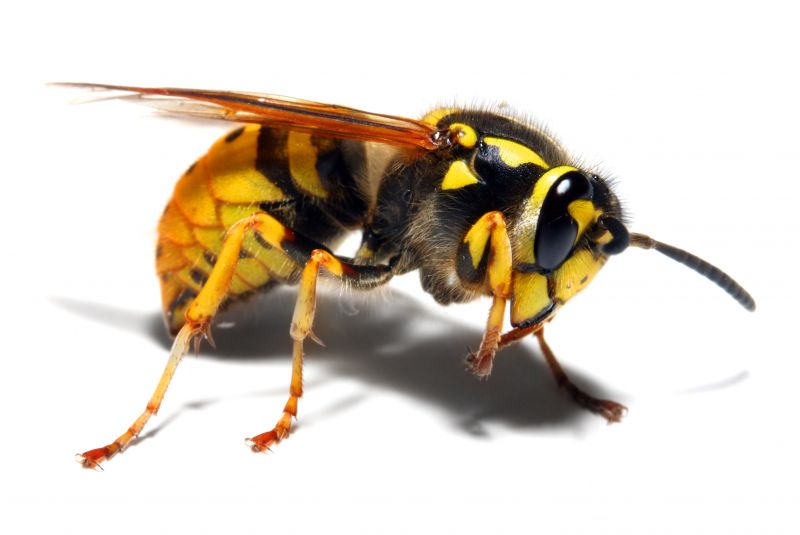
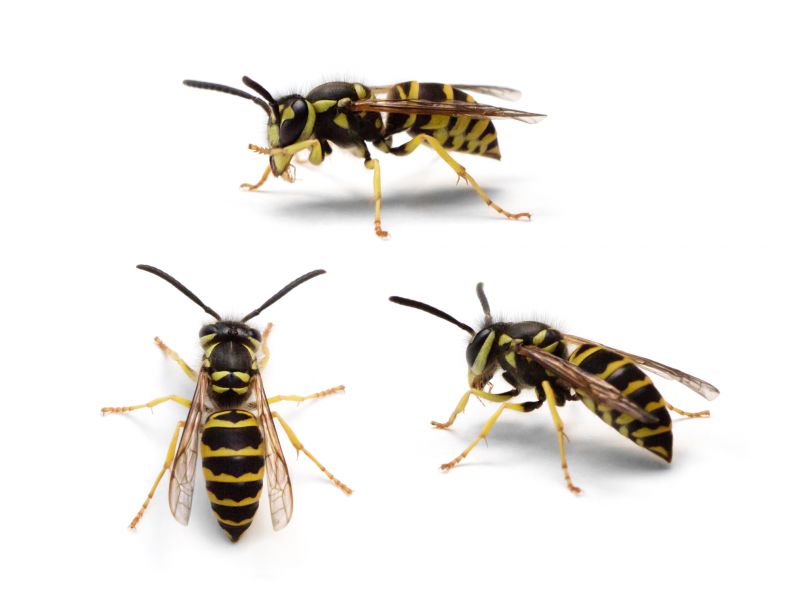
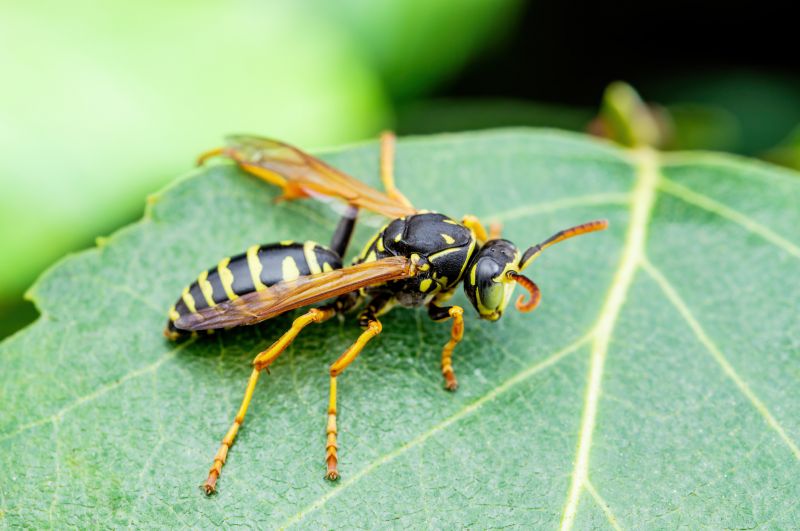
When searching for signs you have a wasp, hornet, or yellow jacket problem, homeowners are often concerned about the presence of aggressive insects that can pose safety risks, especially during outdoor activities or around entry points. These searches typically stem from noticing increased insect activity near the home, or sudden appearances of stinging insects in the yard. Recognizing these signs early can help prevent potential stings and property damage, making it important to understand what indicators to look for. Local service providers who specialize in pest removal and nest treatment can assess the situation and recommend appropriate solutions to eliminate the problem safely.
This topic relates to problems such as unintentional encounters with stinging insects, the need to remove nests that threaten family safety, or the desire to prevent future infestations. Many property owners seek help when they observe swarms or see insects gathering around eaves, decks, or shrubs. In some cases, homeowners plan to perform DIY removal but realize the risks involved and prefer professional assistance. Local contractors experienced in wasp, hornet, and yellow jacket treatments can provide targeted nest removal and insect control services, helping to address these issues effectively and reduce the chances of recurring problems.
Properties that commonly come up in discussions about wasp, hornet, or yellow jacket problems include residential homes, especially those with accessible eaves, soffits, or outdoor structures. Commercial properties like restaurants, cafes, or outdoor event spaces often encounter these issues due to their outdoor seating areas. Additionally, properties with gardens, fruit trees, or compost piles may attract these insects, increasing the likelihood of nests forming nearby. Understanding the types of properties prone to these problems helps homeowners and property managers recognize when professional treatment might be needed to maintain safe and comfortable outdoor environments.
Detecting signs of a wasp, hornet, or yellow jacket problem involves observing specific behaviors and physical signs around the property. Common indicators include seeing persistent insect activity near the building, especially during warmer months, or noticing nests hanging from trees, eaves, or fences. Buzzing sounds or frequent sightings of aggressive insects can also point to an active colony nearby. When these signs are present, it’s advisable to consult local service providers who can evaluate the situation and recommend safe removal methods. Proper identification and timely intervention can prevent stings and protect outdoor spaces from further insect issues.
Pest Inspection Services - professionals who perform detailed inspections to identify hidden nests and signs of wasp, hornet, or yellow jacket activity around a property.
Wildlife Removal Projects - projects involving the safe removal of stinging insect nests from eaves, trees, or ground areas, requiring similar planning and tools.
Insect Trap Setup Services - services that involve setting up traps for various insects, which can be useful in monitoring and managing wasp or hornet populations.
Yard and Landscape Maintenance - landscaping projects that include identifying and removing potential nesting sites for stinging insects to prevent problems.
Structural Repair and Sealing - work that involves sealing entry points and cracks to prevent wasps and hornets from establishing nests in buildings.
Outdoor Pest Control Treatments - applications targeting a variety of outdoor pests, including stinging insects, requiring similar planning and application tools.
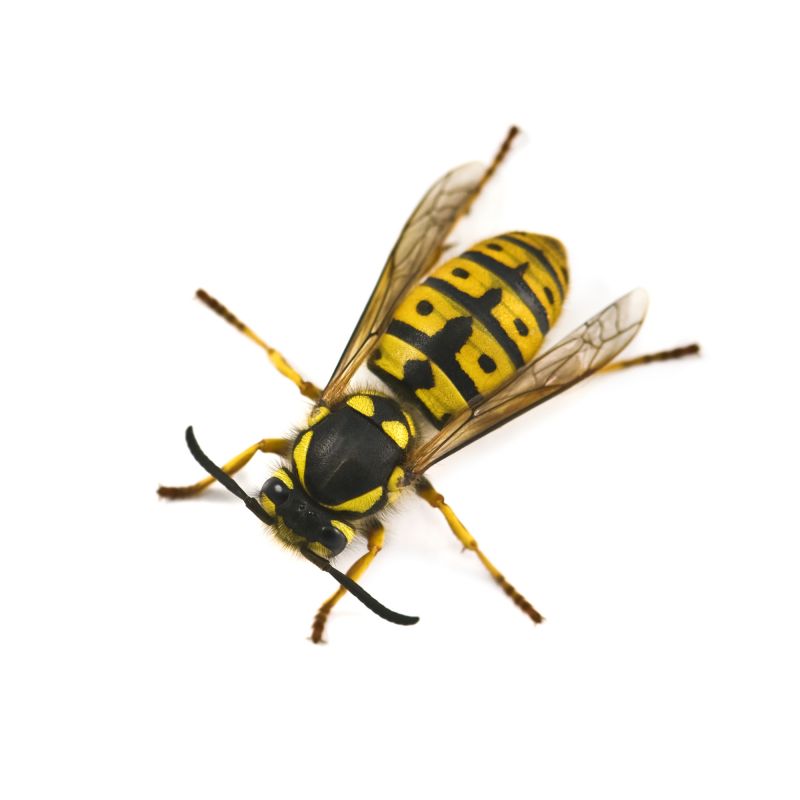
When evaluating service providers for wasp, hornet, or yellow jacket treatment, it’s important to consider their experience with similar projects. Homeowners should inquire about how long a contractor has been handling pest issues related to these insects and whether they have successfully addressed problems in environments similar to their own. An experienced local contractor will typically have a better understanding of the specific nesting habits and behaviors of these pests, which can influence the effectiveness of the treatment. Verifying their background in managing these types of infestations can help ensure the selected professional is well-equipped to handle the situation safely and efficiently.
Clear written expectations are essential when choosing a pest control service. Homeowners should seek detailed information about what the treatment process involves, including any preparatory steps, the scope of work, and what results to anticipate. Having this information in writing helps prevent misunderstandings and ensures that both parties are aligned on the service provided. It’s also helpful to ask about any follow-up procedures or additional treatments that might be necessary, so expectations are transparent from the outset. Clear communication about these details can contribute to a smoother experience and greater confidence in the chosen contractor.
Reputable references and good communication are key factors when selecting a local contractor for wasp, hornet, or yellow jacket issues. Homeowners should feel comfortable asking for references from past clients who have had similar work done, providing insight into the contractor’s reliability and quality of service. Additionally, responsive and clear communication throughout the process can make a significant difference in how smoothly the project proceeds. A professional service provider who listens carefully, answers questions thoroughly, and keeps homeowners informed demonstrates a commitment to customer satisfaction and helps build trust before any work begins.
Property owners often search for signs you have a wasp, hornet, or yellow jacket problem when they are planning practical projects around their homes and businesses. Local pros provide Wasp, Hornet, or Yellow Jacket Treatment services for everyday jobs and straightforward project options.
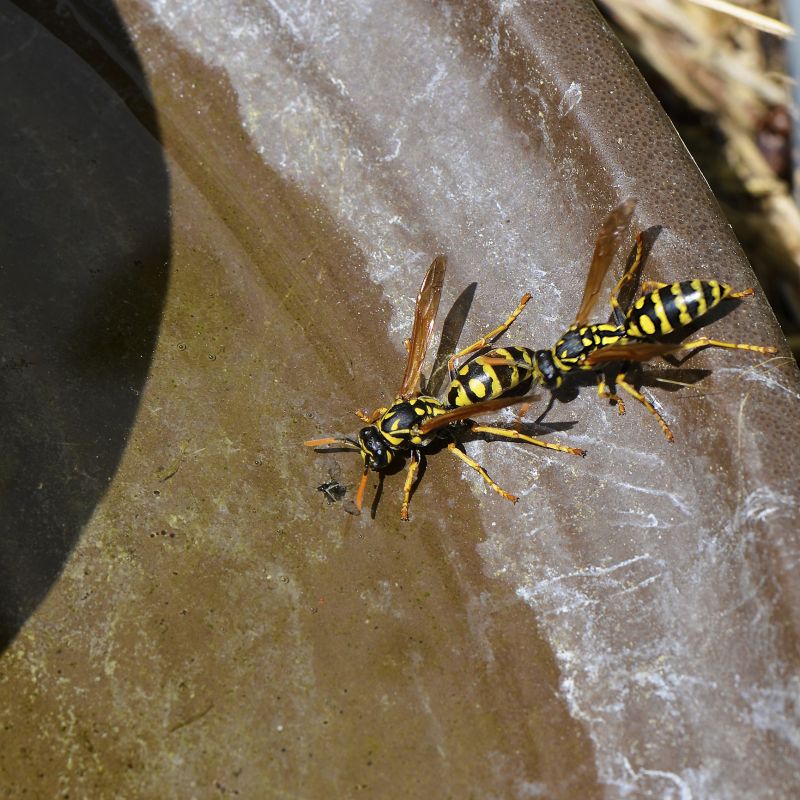
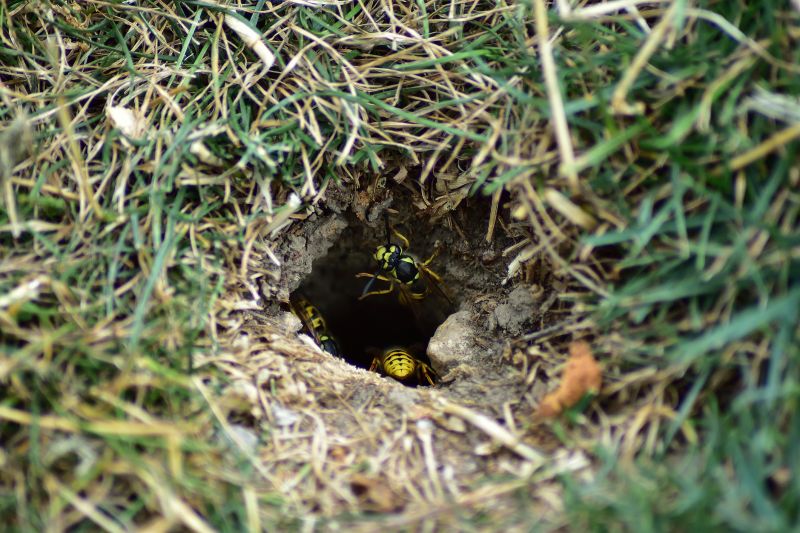
Property owners in the area often notice signs of a wasp, hornet, or yellow jacket problem during routine outdoor activities or home maintenance. Common indications include seeing aggressive insects hovering around eaves, porch ceilings, or shrubbery, especially near food sources or trash bins. Additionally, the presence of nests built on exterior walls, under decks, or in tree branches can signal an active infestation. Recognizing these signs early can help prevent potential stings and property damage, prompting property owners to seek the expertise of local contractors experienced in pest removal and nest removal services.
When these insects establish nests close to living or working spaces, it becomes important to consider professional treatment options. Local service providers specializing in wasp, hornet, and yellow jacket removal can assess the situation and safely eliminate nests to reduce the risk of stings. They can also provide advice on preventative measures to discourage future nesting. Connecting with experienced contractors ensures that the problem is handled efficiently and safely, helping property owners maintain a pest-free environment around their homes and businesses.
What are common signs of a wasp, hornet, or yellow jacket problem? Visible nests, especially in eaves, trees, or ground burrows, and increased insect activity around your property are typical signs that local contractors can help address.
How can I tell if I have a wasp, hornet, or yellow jacket nest nearby? Large, papery or mud-like structures attached to structures or underground, along with aggressive behavior from insects when disturbed, indicate the presence of a nest needing professional removal.
Are there specific times when wasp, hornet, or yellow jacket problems are more noticeable? Increased activity during late summer and early fall often signals a nest nearby, and local service providers can assist with safe removal and treatment options.
What are the dangers of ignoring a wasp, hornet, or yellow jacket problem? Stings from these insects can cause allergic reactions or pain, especially if nests are disturbed, making professional treatment advisable for safety.
How can I prevent future wasp, hornet, or yellow jacket problems? Regular inspections for nests and removing attractants like food or open trash can help, but local contractors can provide targeted treatments to reduce the risk of recurring issues.
Identifying wasp, hornet, or yellow jacket nests - recognizing early signs of nests around the property can help prioritize professional removal services.
Noticing increased insect activity - observing sudden surges in wasp or hornet presence near entry points indicates a potential problem needing treatment.
Seeing stings or allergic reactions - experiencing unexpected stings or allergic responses may point to nearby nests that require expert removal.
Detecting nests in hidden areas - finding nests in hard-to-reach spots like eaves or underground can prompt property owners to seek professional pest control solutions.
If you are thinking about signs you have a wasp, hornet, or yellow jacket problem for a property, this guide is meant to help you understand this topic, the typical project types, and how different options might fit your plans.
When you are ready, you can use the quote form on this page to share a few details about your project. From there, local pros can review the basics and follow up with options that match what you have in mind.