Common Stinging Insects That Invade Homes
Local service providers can identify and remove common stinging insects that invade homes, helping to ensure safety and peace of mind.
If insects like wasps, hornets, and yellow jackets are making their way into homes in the area, you're not alone. These common stinging insects often seek shelter in attics, wall voids, or around eaves, especially during warmer months. Property owners facing these invasions might wonder about the best ways to manage the situation and protect their families. Fortunately, local contractors who specialize in stinging insect control have the experience and tools to safely and effectively handle these pests, helping to reduce the risk of painful stings and structural damage.
Exploring options for stinging insect control can be a practical step for homeowners dealing with persistent insect activity around their property. Whether it's a visible nest or just an increase in insect presence, professional services are available to assess the situation and recommend appropriate solutions. Connecting with experienced local service providers can ensure that the problem is addressed efficiently, giving peace of mind and a safer, more comfortable home environment. Keep reading to learn more about common invaders and how local experts can help keep them at bay.
- Common stinging insects that invade homes - homeowners noticing nests or increased activity may seek help from local contractors experienced in removal and prevention.
- Hornet and wasp control - when large nests are found near the house, local service providers can safely remove and treat the colonies to prevent further invasions.
- Yellowjacket infestations - during late summer and fall, local pros can identify entry points and eliminate yellowjacket nests to reduce stinging insect presence.
- Paper wasp removal - if wasps build nests on eaves or porch areas, local contractors can provide targeted treatments to remove the insects and prevent future nesting.
- Baldfaced hornet issues - when these aggressive insects create large aerial nests close to living spaces, local experts can handle the safe removal and pest management.
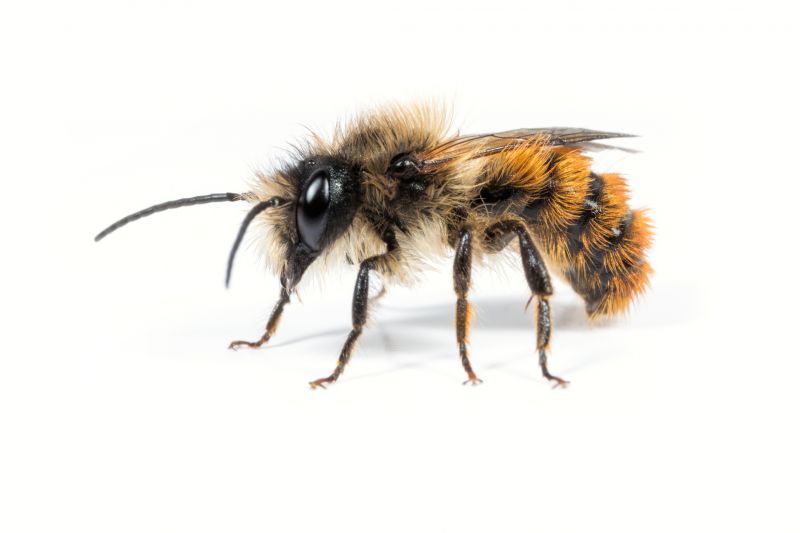
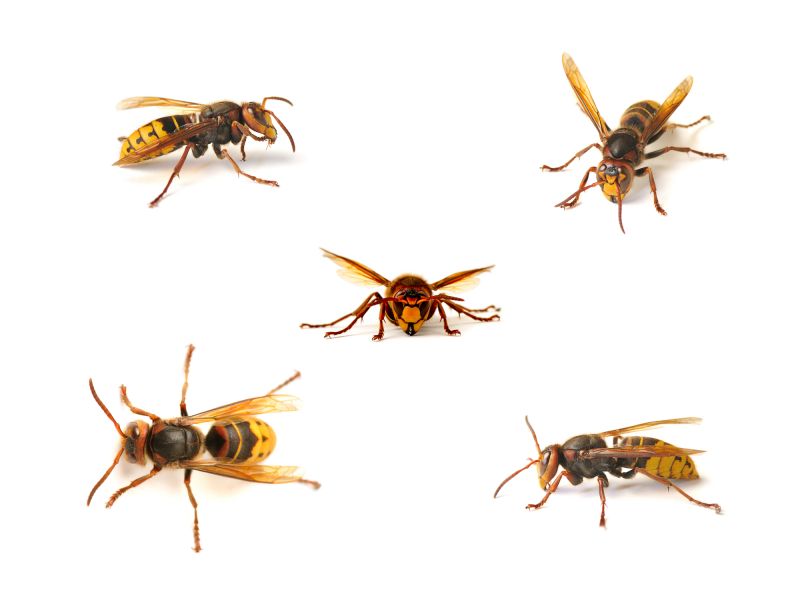
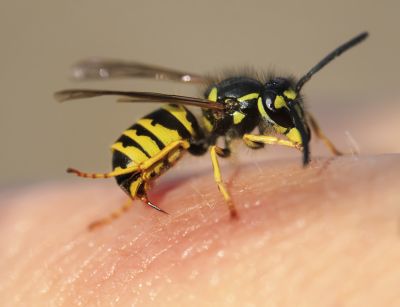
When searching for information about common stinging insects that invade homes, most homeowners are typically concerned about identifying which insects might be causing problems around their property. These searches often stem from noticing increased insect activity near the house, such as buzzing sounds, visible nests, or stings after accidental contact. People want to understand which insects pose a threat to their family and pets, and how to effectively remove or prevent infestations. The goal is usually to find practical solutions to eliminate these pests and reduce the risk of stings, especially during warm months when these insects tend to be most active.
The problems associated with common stinging insects that invade homes often involve safety concerns, property damage, and ongoing nuisance. For many homeowners, the presence of wasps, hornets, or yellowjackets can make outdoor spaces unsafe, especially if nests are built close to entry points or play areas. These insects can become aggressive if disturbed, increasing the risk of painful stings. In addition, nests can sometimes be hidden in walls, attics, or eaves, making removal more challenging. Homeowners may also plan to prevent future invasions by sealing entry points or scheduling professional treatments, which is where local service providers specializing in stinging insect control come into play.
The types of properties most commonly affected by these insects include residential homes, especially those with yards, decks, or gardens. Houses with open eaves, gaps around windows and doors, or unused outdoor structures like sheds and garages are more prone to invasions. Properties near wooded areas, gardens, or water sources tend to attract these insects due to the availability of food and nesting materials. Even newer construction can be vulnerable if entry points are not properly sealed. Identifying the specific type of stinging insect and understanding the layout of the property helps local contractors determine the best approach for safe and effective removal or prevention.
Understanding the connection between common stinging insects that invade homes and local control services helps homeowners take targeted action. These insects often build nests in or around the house, creating ongoing safety and nuisance concerns. Local contractors experienced in stinging insect control can assess the property, identify the species involved, and implement appropriate treatment strategies. Whether it involves nest removal, insecticide application, or sealing entry points, these professionals provide the expertise needed to manage infestations effectively. Properly addressing these issues not only improves safety but also helps prevent future invasions, making the home a safer and more comfortable space.
Pest inspection services - professionals who assess properties for signs of stinging insect activity and identify potential nesting sites related to common invaders in homes.
Insect exclusion services - contractors specializing in sealing entry points and gaps to prevent stinging insects from invading residential spaces.
Yard and property maintenance - experts who manage vegetation and debris to reduce attractants and nesting areas for common stinging insects near homes.
Nest removal services - specialists who safely eliminate stinging insect nests from around residential structures, helping to reduce infestations.
Structural repair services - providers who reinforce and repair building exteriors to block access points used by invading stinging insects.
Wildlife control services - professionals experienced in humane removal of stinging insects and their nests from residential and nearby areas.

When comparing service providers for stinging insects control, it is important to consider their experience with similar projects, particularly those involving common stinging insects that invade homes. An experienced contractor will have a better understanding of the behaviors and nesting habits of these insects, which can lead to more effective treatment strategies. Homeowners should inquire about how long the contractor has been handling infestations of stinging insects and whether they have successfully managed cases similar to their own, ensuring that the provider has practical knowledge tailored to this specific issue.
Clear communication of expectations is essential when choosing a local contractor for stinging insects control services. A reputable service provider should be able to explain their process, what the treatment entails, and any necessary follow-up steps in straightforward terms. Homeowners should seek detailed information about the scope of work, the methods used, and what results to anticipate, helping to prevent misunderstandings and ensuring that everyone is aligned on the treatment plan. Good communication also includes responsiveness to questions and concerns, which can be a sign of a professional and customer-focused contractor.
Reputable references and a history of positive interactions are key factors to consider when evaluating local pros. Homeowners are encouraged to ask for references from past clients who had similar stinging insect issues. This feedback can provide insights into the quality of service, reliability, and effectiveness of the treatments offered. Additionally, choosing a contractor known for clear and consistent communication can make the process smoother and more predictable. Taking the time to verify references and gather input on communication practices can help ensure that the selected service provider is capable of delivering the results needed to address common stinging insects that invade homes effectively.
Property owners often search for common stinging insects that invade homes when they are planning practical projects around their homes and businesses. Local pros provide Stinging Insects Control services for everyday jobs and straightforward project options.
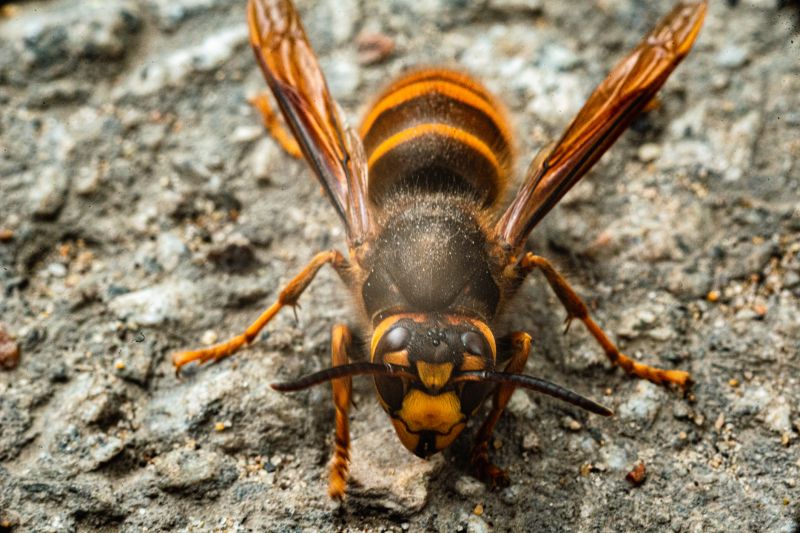
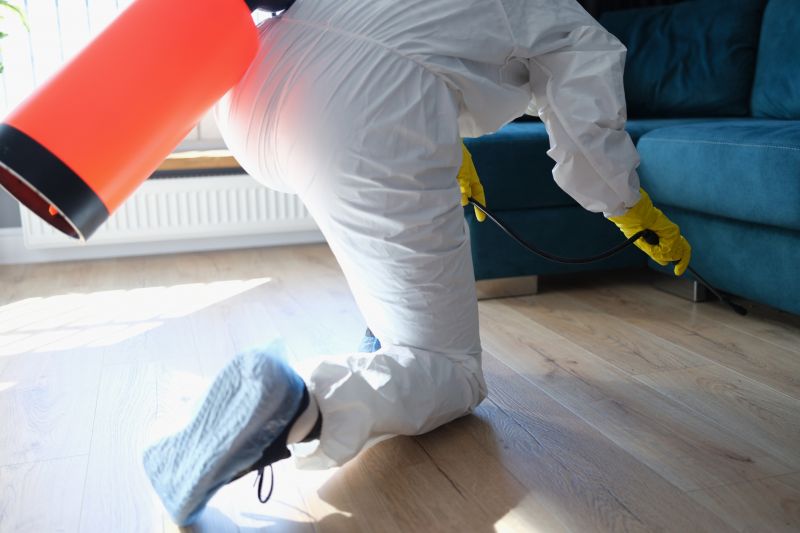
Homeowners in the area often encounter common stinging insects that invade homes, especially during warmer months when these insects become more active. These insects, such as wasps, hornets, and yellowjackets, tend to build nests near eaves, vents, or other sheltered spots around the property. When their nests are close to living spaces, it can lead to frequent encounters and the risk of stings, prompting property owners to seek professional assistance for removal and prevention.
Many property owners look into stinging insects control services from local contractors when they notice signs of nests or experience frequent insect activity. Professional service providers can assess the situation, safely remove nests, and implement measures to prevent future invasions. Connecting with experienced local contractors ensures that the problem is handled efficiently and safely, helping to reduce the risk of stings and damage caused by these insects.
What are some common stinging insects that invade homes? Common stinging insects that invade homes include wasps, yellow jackets, paper wasps, and hornets. These insects often seek shelter in wall voids, eaves, or attics, especially during late summer and fall.
Why do these insects invade homes? These insects invade homes in search of shelter, food sources like sugary drinks or protein, or to build nests in hidden areas. They are attracted to structures that offer protection and easy access to resources.
How can local contractors help control stinging insects around my home? Local contractors can assess the property to identify nests and entry points, then implement targeted removal and exclusion methods to prevent future invasions. They can also provide advice on reducing attractants around the home.
Are there specific signs that indicate a stinging insect nest nearby? Signs include increased insect activity around eaves, walls, or outdoor structures, visible nests, or frequent buzzing sounds. Noticing these signs can help determine if professional intervention is needed.
What steps can be taken to prevent future invasions of stinging insects? Preventative measures include sealing cracks and gaps, removing food and sugary drinks from outdoor areas, and maintaining clean gutters and trash areas. Local service providers can assist with effective exclusion and nest removal strategies.
Identify nesting sites - property owners can inspect their homes for common stinging insects' nests and seek assistance from local contractors to safely remove or treat them.
Seal entry points - sealing cracks and openings around windows, doors, and vents can prevent insects from invading living spaces, with local pros providing expert sealing services.
Remove attractants - eliminating food sources like sugary drinks or sweet foods near the home can reduce insect activity, and local service providers can advise on pest-proofing strategies.
Schedule regular inspections - routine assessments by local contractors can help detect early signs of infestations and keep stinging insects from establishing nests inside or near the home.
If you are thinking about common stinging insects that invade homes for a property, this guide is meant to help you understand this topic, the typical project types, and how different options might fit your plans.
When you are ready, you can use the quote form on this page to share a few details about your project. From there, local pros can review the basics and follow up with options that match what you have in mind.